Personal Finance Tips to Build an Emergency Fund in 2026
An emergency fund is the quiet hero of a healthy financial life. It turns a job loss, car repair, or surprise medical bill from a disaster into a manageable bump. Yet surveys consistently show that many households could not cover a modest unexpected expense from savings. The right personal finance tips change that, one deliberate step at a time.
This guide focuses on a single high-impact goal: building a cash cushion you can rely on. You will learn how much to save, where to keep it, and how to reach your target faster than you think in 2026.
Why an Emergency Fund Comes First
Before investing or aggressively paying down low-interest debt, most people should secure a basic emergency fund. Without one, a single setback forces you onto high-interest credit cards, undoing months of progress. According to the Federal Reserve, a meaningful share of adults would struggle to cover an unexpected expense with cash, which keeps them trapped in a cycle of borrowing.
A cash buffer breaks that cycle. It gives you room to make calm decisions instead of panicked ones, and it protects the rest of your financial plan from constant interruptions.
How Much Should You Save?
The right target depends on your situation, but a tiered approach keeps the goal from feeling overwhelming:
- Starter fund — $500 to one month of essentials. This handles most small emergencies.
- Core fund — three months of essential expenses for job-loss protection.
- Full fund — six months or more if your income is variable or you support a family.
Essentials mean the non-negotiables: housing, utilities, food, insurance, transportation, and minimum debt payments. Luxuries do not belong in the calculation, which keeps your target realistic.
Where to Keep Your Emergency Fund
Your emergency money needs two qualities: safety and accessibility. It should be easy to reach within a day or two, but separate enough that you are not tempted to spend it. A high-yield savings account at an insured bank hits both marks.
The Federal Deposit Insurance Corporation protects deposits at member banks up to the standard limit, so your cushion stays safe even in turbulent times. Avoid locking emergency money in investments that can drop in value right when you need them.
| Account type | Accessibility | Good for emergencies? |
|---|---|---|
| High-yield savings | 1–2 days | Yes — ideal |
| Checking account | Instant | Starter buffer only |
| Stock investments | Days, value varies | No — too volatile |
| Certificate of deposit | Locked term | Limited — penalties apply |
Personal Finance Tips to Reach Your Goal Faster
Building savings is easier when the system does the work. These practical habits accelerate progress without demanding heroic discipline:
- Automate transfers on payday so you save before you can spend.
- Start small with an amount you will not miss, then increase it every few months.
- Bank windfalls like tax refunds, bonuses, and gifts directly into the fund.
- Cut one subscription and redirect that money automatically.
- Use round-ups that sweep spare change from purchases into savings.
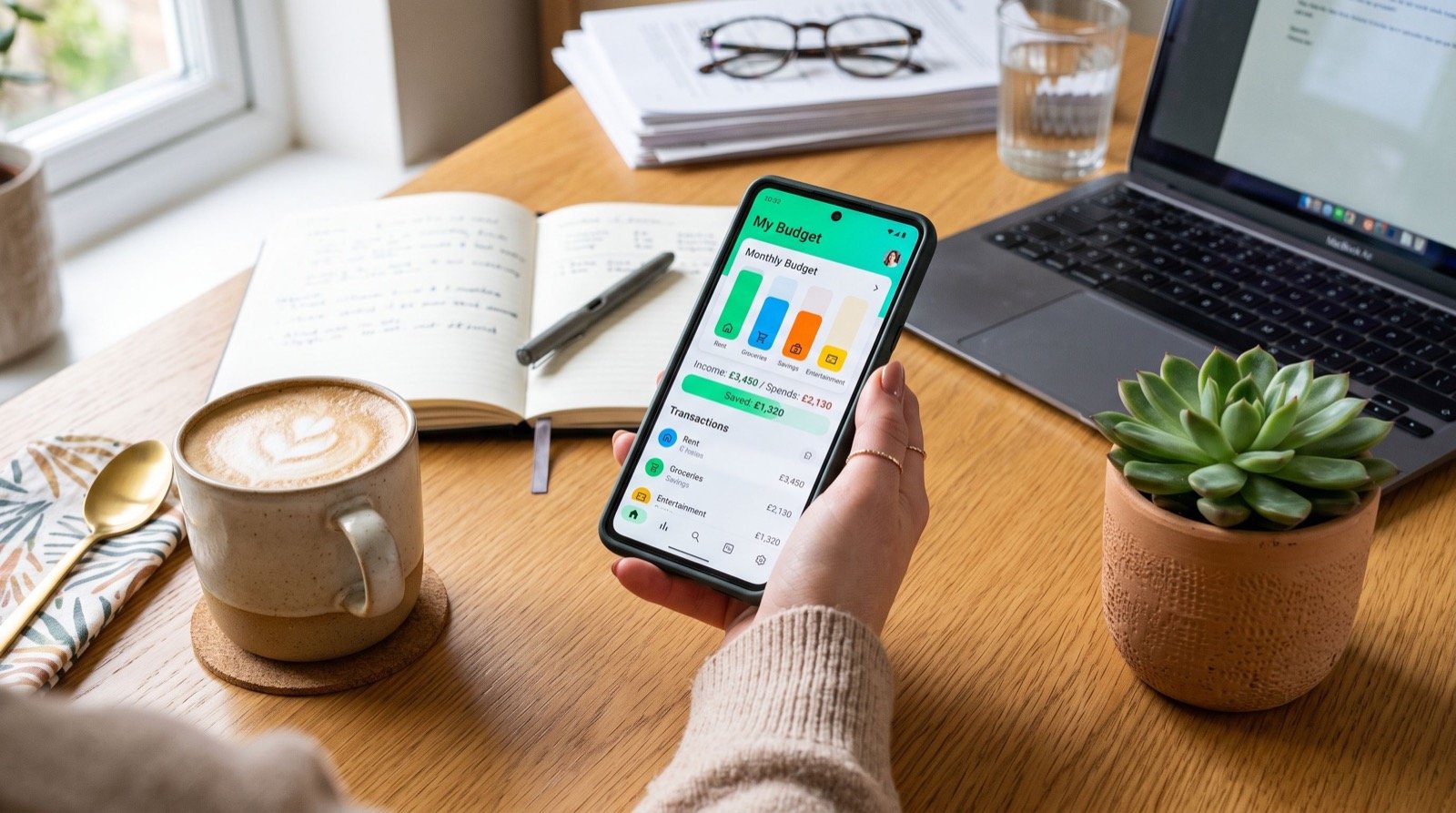
Technology makes these habits effortless. A simple Cash App guide can show you how to automate round-ups and transfers so your fund grows quietly in the background while you live your life.
Track the number that matters
Watching your balance climb is powerful motivation. Check it monthly, celebrate each milestone, and resist the urge to raid it for non-emergencies. A clear definition of “emergency” protects the fund from scope creep.
What Counts as a Real Emergency?
This question separates a true safety net from a slush fund. A real emergency is urgent, necessary, and unexpected, such as a medical bill, an essential car repair, or lost income. A sale, a vacation, or an upgrade you simply want does not qualify.
When you are unsure, pause and ask whether the expense is both necessary and unplanned. If either answer is no, the money should come from your regular budget, not your emergency fund. Keeping that line firm is one of the most valuable personal finance tips you can practice.
After the Fund: What Comes Next
Once your emergency fund is fully stocked, redirect those automated transfers toward your next priority, whether that is eliminating debt or investing for the future. The habit is already built, so you simply point it at a new target.
If your finances are complex, such as self-employment income or major life changes, review your plan with reliable local experts and pair their advice with trustworthy personal finance tips to keep everything on track.
Mistakes That Slow Down Emergency Savings
Good intentions stall when a few common habits get in the way. Watch for these pitfalls as you build your cushion:
- Waiting for “extra” money that never seems to arrive instead of automating a small amount now.
- Keeping savings in checking, where it blends into everyday spending and quietly disappears.
- Defining emergencies loosely, so the fund drains on wants rather than genuine needs.
- Chasing high returns by investing money you may need next month.
- Giving up after a setback instead of restarting the automatic transfer immediately.
The fix for all of these is structure. When your savings are automated, separate, and clearly defined, progress continues even during busy or stressful seasons. Rebuild quickly after any withdrawal so a single emergency does not erase months of effort, and treat replenishment as its own short-term goal.
Frequently Asked Questions
How fast should I build an emergency fund?
There is no deadline, but momentum matters. Aim to hit a $500 starter fund within a few months, then build toward three months of expenses over the following year. Consistency beats speed.
Should I invest my emergency fund for higher returns?
No. Emergency money must stay stable and accessible. Investing it risks a loss precisely when you need the cash. Keep it in an insured high-yield savings account instead.
What if I have debt and no savings?
Build a small starter fund of about $500 to one month of essentials first, then focus on high-interest debt. A tiny buffer stops new emergencies from adding to your balances.
Can I use a money app to automate my savings?
Yes. Many apps offer automatic transfers and round-up features that move spare change into savings. Confirm the provider uses an insured bank and strong security before linking your accounts.
Final Thoughts
An emergency fund is not glamorous, but it is the foundation everything else stands on. Automate your savings, keep the money safe and separate, and protect it with a clear definition of what counts as an emergency. Apply these personal finance tips steadily through 2026, and you will build the kind of security that lets you face surprises with confidence instead of fear.